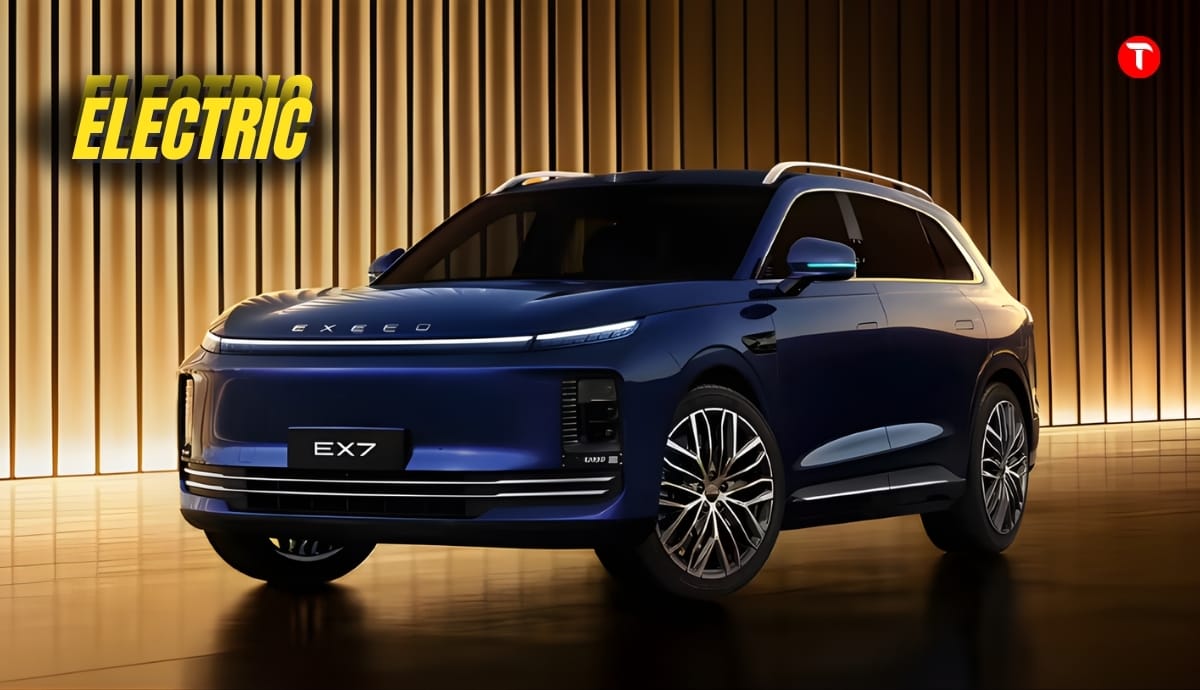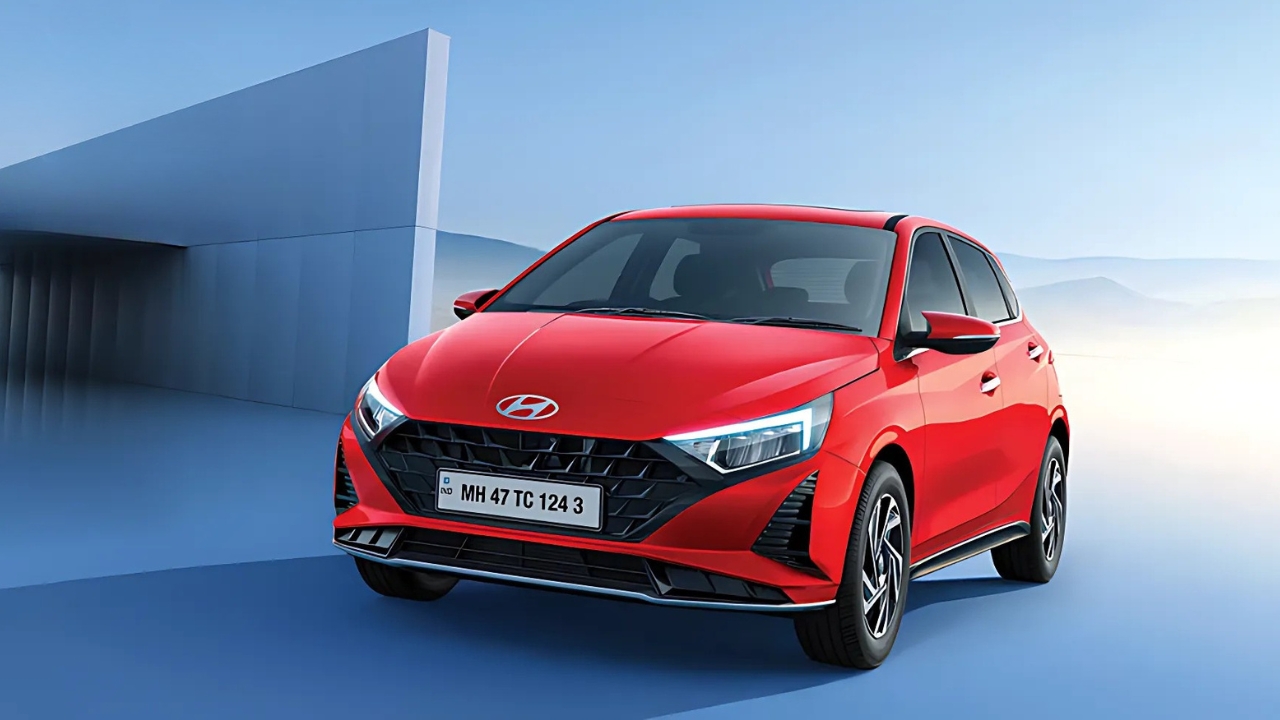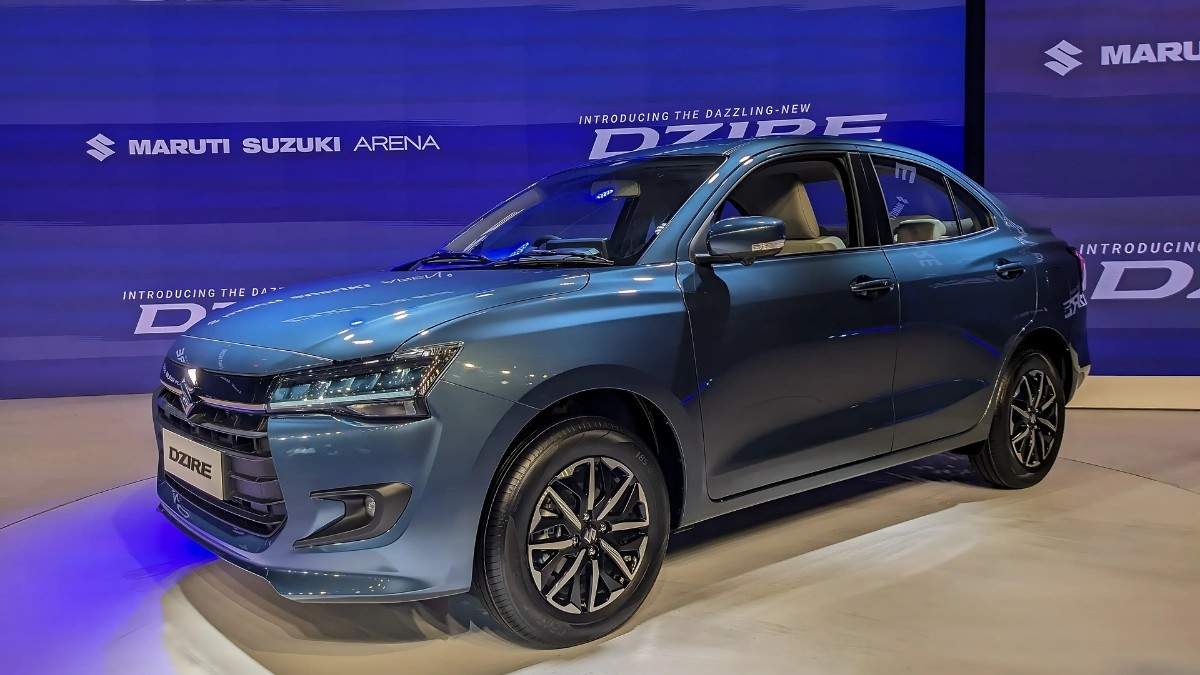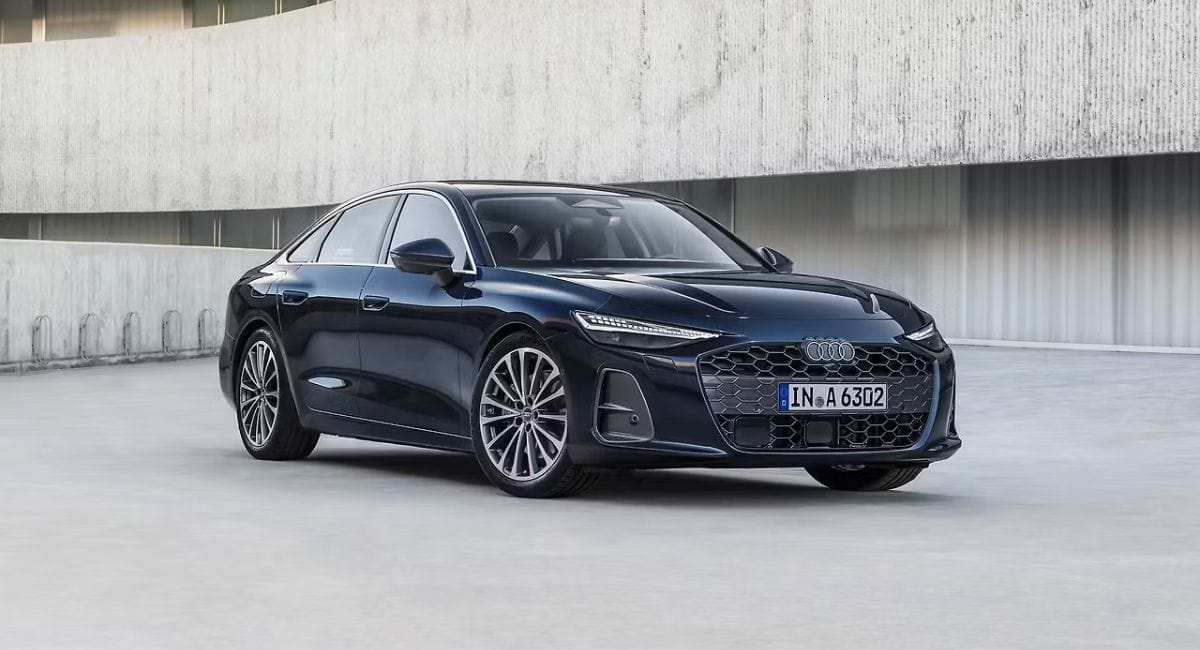

India and the European Union are engaged in advanced trade discussions where car import tariffs have emerged as one of the most sensitive and closely watched topics. According to people familiar with the matter, India is considering a proposal to reduce import duties on certain foreign cars to around 40%, as part of a broader trade agreement framework. However, no final decision has been taken yet, and the proposal remains under negotiation.
At present, India imposes some of the highest car import duties in the world, a policy designed to protect domestic manufacturing and encourage local production. Any change to this structure could have a significant impact on the country’s automobile market, trade relations, and investment climate.
Table of Contents
Why Car Tariffs Are Central to India-EU Talks
Car tariffs have long been a key sticking point in trade discussions between India and the European Union. European automakers have consistently argued that high import duties restrict their access to one of the world’s fastest-growing auto markets.
India, on the other hand, has maintained that elevated tariffs are necessary to safeguard local manufacturers, jobs, and supply chains. As trade negotiations progress, both sides are now exploring a middle ground that balances market access with domestic industry protection.
Current Car Import Duty Structure in India
Currently, India levies import duties ranging from 70% to 100% on completely built imported vehicles. When additional taxes such as GST and compensation cess are applied, the final price of an imported car rises sharply, often making it unaffordable for most buyers.
This structure has ensured that foreign carmakers either focus on limited premium imports or invest in local manufacturing to remain competitive in the Indian market.
Why a 40% Tariff Is Being Discussed
Sources indicate that a 40% tariff level is being considered as a compromise rather than a complete market opening. Such a move could make imported cars relatively more accessible while still maintaining a protective barrier for domestic manufacturers.
For India, the trade-off could involve better access for its goods and services in European markets, along with increased foreign investment and technology transfer in the automotive sector.
Government’s Cautious Approach
The Government of India is approaching the issue with caution. Officials have indicated that any tariff adjustment would likely be gradual and selective, rather than a sudden across-the-board reduction.
Policymakers are assessing potential impacts on domestic automakers, employment, and long-term industrial growth. The government has repeatedly emphasized that protecting local manufacturing remains a priority, even as India deepens its global trade ties.
What It Could Mean for Consumers
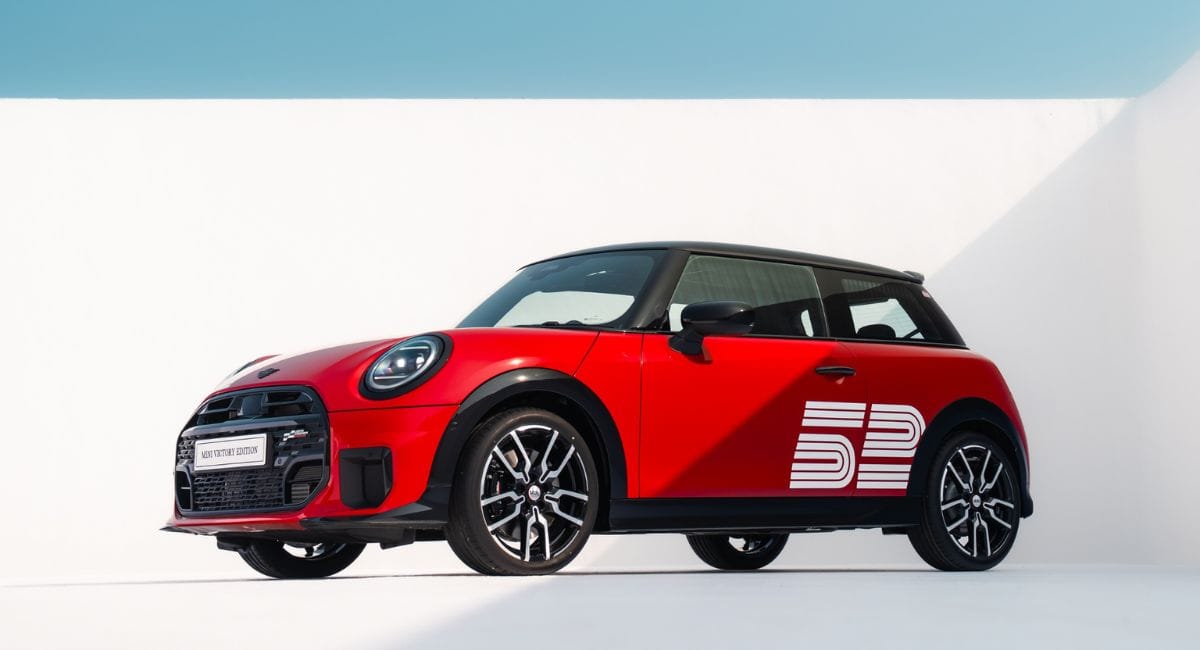
If implemented, a tariff reduction could primarily affect premium and luxury car segments, where imported models are more common. Prices of select European vehicles could see some moderation, offering buyers more choices in higher segments.
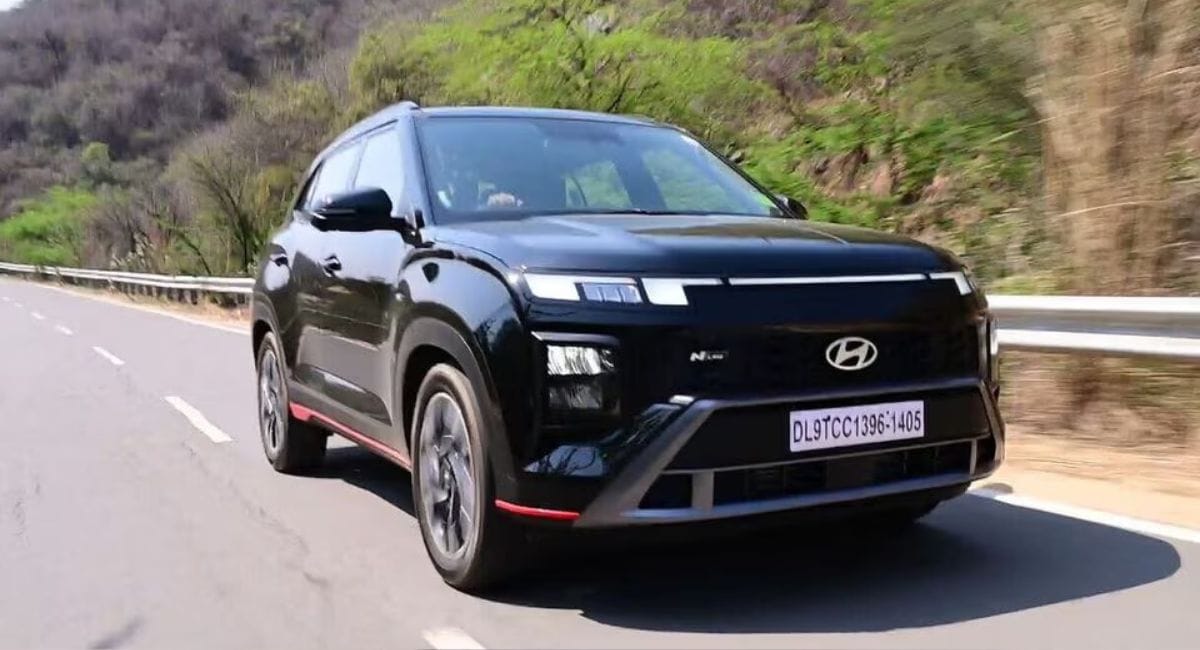
However, experts note that the mass-market car segment is unlikely to see immediate changes, as it continues to rely heavily on locally produced vehicles.
Concerns Within the Domestic Auto Industry
Indian carmakers have expressed concerns that significant tariff cuts could intensify competition from foreign brands. Industry stakeholders argue that domestic manufacturers have invested heavily in local plants and supply chains under existing policies.
At the same time, some analysts believe that controlled competition could encourage innovation, higher quality standards, and technological advancement within the Indian auto industry over the long term.
Electric Vehicles Likely to Remain Protected
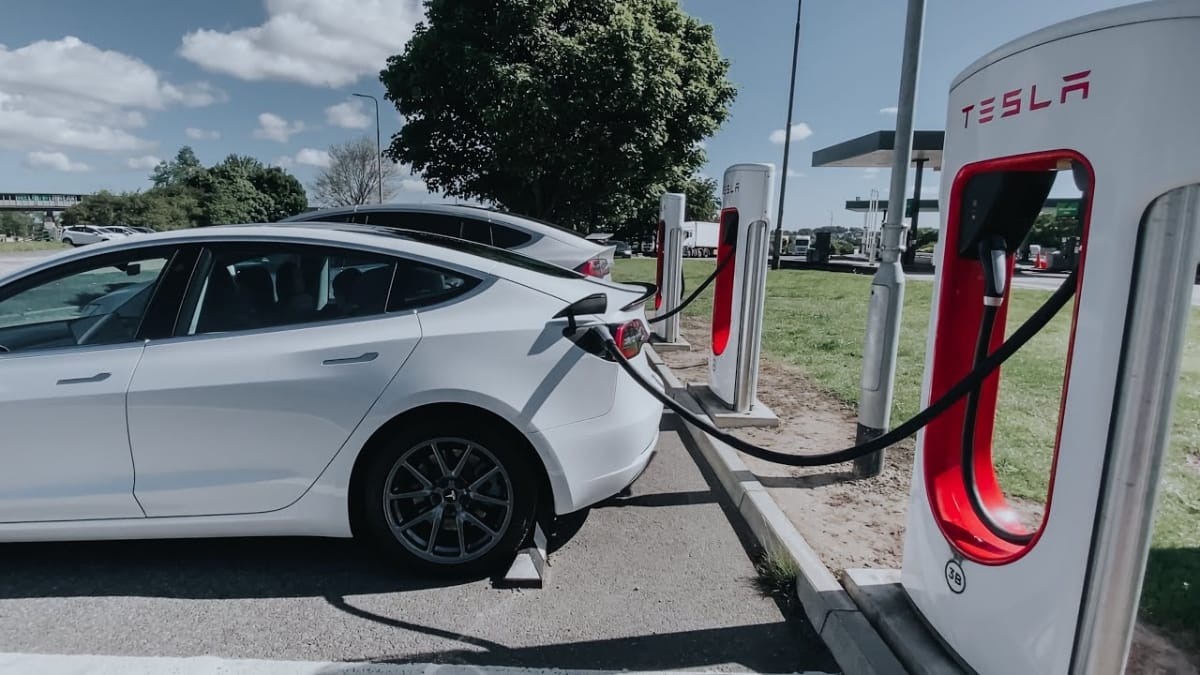
Electric vehicles are expected to be treated differently. India is still in the process of building its domestic EV ecosystem, and officials are cautious about offering immediate tariff relief to imported electric cars. Maintaining current duties could help support local EV manufacturers and attract fresh investments into the sector.
What Happens Next?
For now, the proposed tariff reduction remains under discussion, with negotiations ongoing. Any final agreement would require consensus from both sides and formal approvals before implementation. Observers expect that even if a deal is reached, changes would be rolled out in phases rather than all at once.