Hyundai Ioniq P EV is set to make its India debut on January 16, 2027, marking an important step for Hyundai Motor India in the affordable electric SUV segment. Expected to be the brand’s first sub-4-metre electric SUV for the Indian market, this upcoming model will target buyers looking for a compact electric vehicle with modern technology, practical design and multiple battery options.
Hyundai is preparing to introduce this new electric SUV as part of its wider plans to strengthen its presence in India’s growing EV market. According to recent reports, the company could reveal its pricing at the Bharat Mobility Global Expo, scheduled from February 4 to February 9, 2027. The production model is expected to carry the Ioniq P name, although final model nomenclature and specifications are yet to be officially confirmed by Hyundai Motor India.
Table of Contents
Hyundai Ioniq P EV
Upcoming Hyundai Ioniq P EV is expected to feature a boxy and upright design, giving it a distinctive appearance in the compact electric SUV category. Spy images and early details suggest that Hyundai is working on a modern exterior with a strong front profile, connected LED lighting elements and compact proportions. Its design is expected to be developed around the requirements of Indian buyers, with an emphasis on road presence and everyday usability.
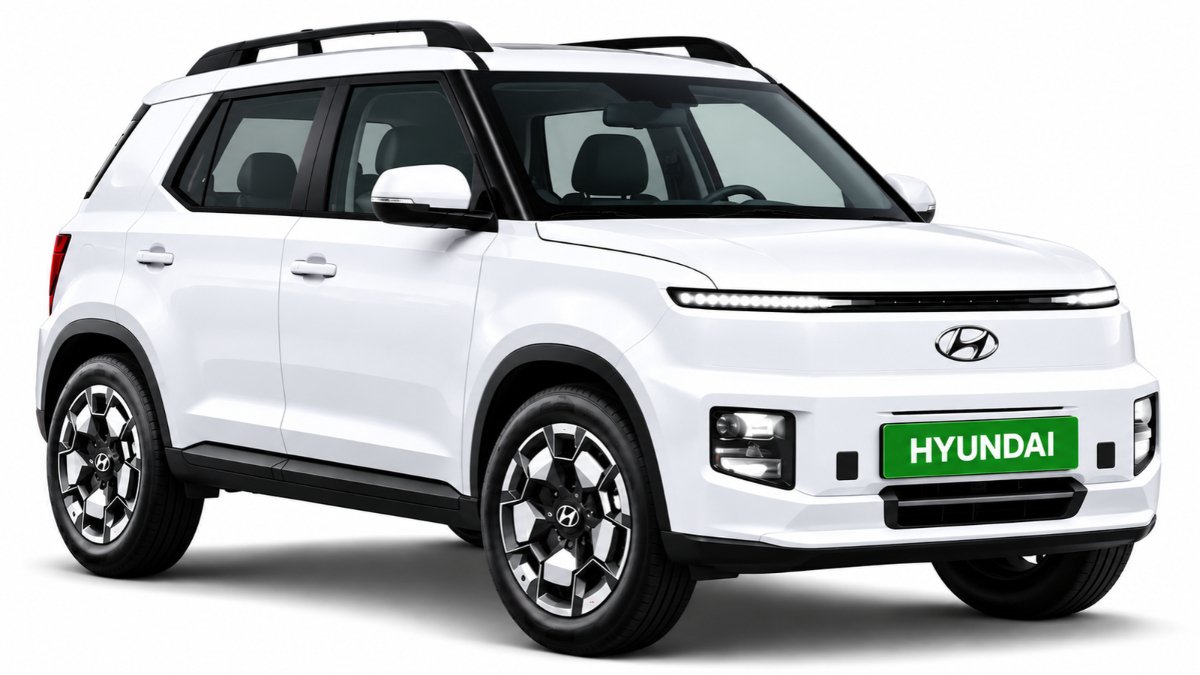
Other expected exterior highlights include square-shaped headlamps, roof rails, flush-fitting door handles and a modern rear lighting setup. Short overhangs could also help the vehicle maintain a compact footprint while offering a practical cabin layout. Hyundai has not released official production images or a complete exterior specification sheet yet, so some design details may change before the final unveiling.
Interior and Features
Inside, Hyundai is expected to offer a modern cabin with an updated infotainment system and a technology-focused dashboard layout. The upcoming electric SUV is likely to feature the brand’s Pleos Connect interface, which is part of Hyundai’s newer connected-car technology. However, the exact touchscreen size, display layout and complete equipment list have not been officially revealed.
One important highlight is Level 2 ADAS, which has been confirmed for the upcoming compact EV in earlier reports. This technology can offer driver assistance functions designed to support safer driving. Other comfort and convenience features are also expected, but Hyundai has not shared a complete feature list. Details such as ventilated seats, wireless charging and a 360-degree camera should not be treated as confirmed at this stage.
Battery Options
Hyundai is expected to offer the Ioniq P EV with Standard Range and Long Range battery options. This approach could allow buyers to choose a version according to their daily driving needs and budget. However, the company has not announced the exact battery capacity, electric motor output, charging speed or certified driving range for the India-spec model.
For reference, Hyundai’s global Inster EV is available with 42kWh and 49kWh battery packs. These versions deliver claimed WLTP driving ranges of around 300km and 355km, respectively. These figures belong to the Inster and should not be considered the official range of the upcoming Ioniq P EV. Actual specifications for the Indian model will be clearer closer to its launch.
Price and India Launch Timeline
Hyundai Ioniq P EV is expected to make its debut on January 16, 2027. The company could announce prices during the Bharat Mobility Global Expo in February 2027. While official pricing is still awaited, early market estimates suggest that the electric SUV could be positioned in the affordable compact EV category.
Final pricing will depend on battery options, equipment levels and localisation. Hyundai plans to manufacture this upcoming electric SUV at its Sriperumbudur facility in Tamil Nadu. Local production could help the company manage costs and make the vehicle more competitive in the Indian market.
Rivals in the Indian Market
After its arrival, Hyundai Ioniq P EV is expected to compete with models such as the Tata Nexon EV, Mahindra XUV 3XO EV and Kia Syros EV. Buyers in this category are increasingly looking at battery range, charging convenience, safety technology and overall ownership costs before choosing an electric SUV.
Hyundai will need to offer competitive pricing, useful features and a practical driving range to attract customers. More details about its specifications, variants and charging capabilities are expected around the official unveiling. The new model could become an important addition to Hyundai’s electric vehicle portfolio in India.