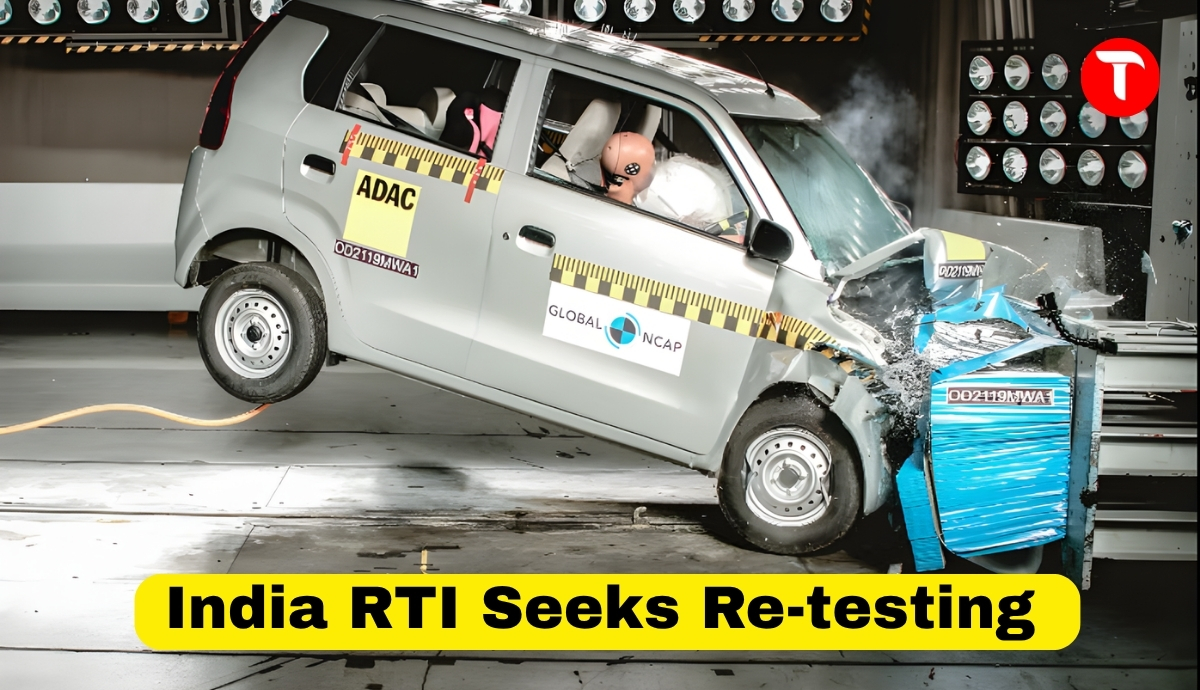
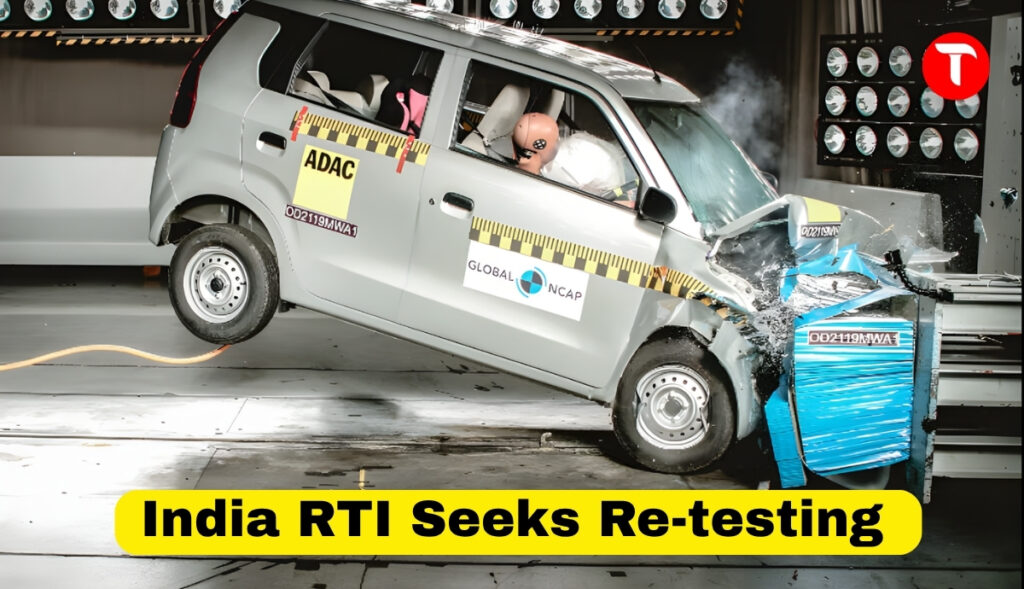
India RTI Seeks Re-testing: Before being launched in the Indian market, vehicles undergo rigorous testing to assess their structural integrity and determine their capacity to withstand extreme conditions.
Seven such vehicles underwent testing in Pune prior to their launch, and recommendations regarding their market introduction were issued only after the completion of these trials. Many vehicles, following this testing phase, successfully achieve a five-star safety rating.
Consequently, consumers often purchase these vehicles without hesitation or doubt, as their safety standards are validated by the Bharat Global NCAP.
This NCAP body meticulously evaluates the structural strength of vehicles and disseminates information regarding crash tests and re-evaluation procedures to the public. Upon successful completion of these assessments, vehicles are awarded a certification that clearly indicates their safety rating.
Table of Contents
Key Insights
India RTI Seeks Re-testing: Regarding the details of this process, information obtained from the Ministry of Road Transport and Highways—specifically through a recent RTI (Right to Information) response—has brought to light several intriguing facts concerning Bharat NCAP crash tests and re-evaluation protocols.
As highlighted by Team-BHP member ‘Ron178’, an RTI filed in March 2026 sought details regarding the status of amendments to crash testing protocols. It also requested information on vehicles selected by the government for upcoming tests, as well as details regarding re-tests conducted on vehicles prior to the final publication of their Bharat NCAP results.
Consequently, manufacturers were compelled to conduct re-evaluations to demonstrate the robust performance of their vehicles; indeed, conducting these re-tests was a prerequisite for providing a comprehensive response to the queries raised.
Information regarding this matter has also been shared online; let us delve into the full details.
Information Shared Online
India RTI Seeks Re-testing: Based on the information shared online in response to the aforementioned queries, Bharat NCAP reported that, as of March 31, 2026, it had evaluated 35 vehicle models under the voluntary OEM (Original Equipment Manufacturer) submission scheme.
An interesting observation emerged from this data: the RTI response noted that, despite the provisions of AIS-197—which empower the government to nominate vehicles for public safety testing—the Government of India has not yet directly selected any specific vehicle or model for Bharat NCAP evaluation.
Consequently, the information received indicates that the testing processes conducted thus far… The Mahindra XUV 9e achieved a five-star rating in child safety, demonstrating its robust performance with an excellent score.
Include 7 Car
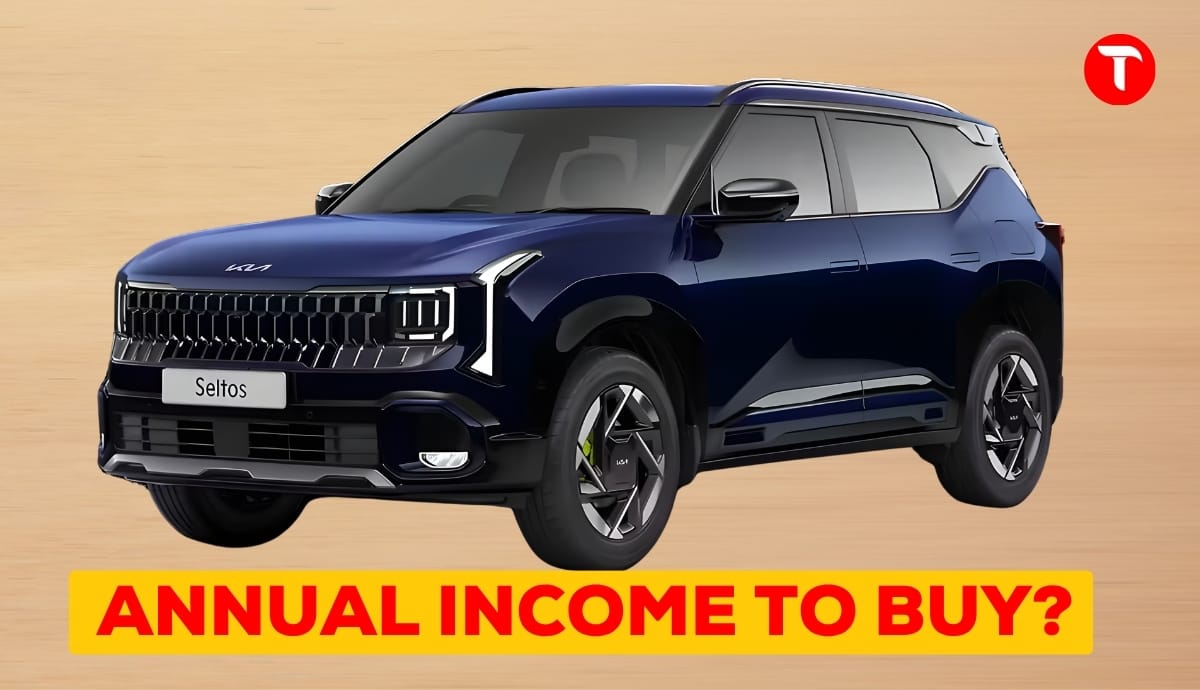
India RTI Seeks Re-testing: This assessment also included several other manufacturers and their vehicles—such as the Tata Harrier EV and Kia Seltos—which similarly showcased their formidable structural integrity by securing five-star safety ratings.
Consequently, consumers today prefer to purchase these vehicles without any hesitation or lingering doubts. Furthermore, an RTI response revealed that seven specific vehicles underwent re-testing or re-evaluation prior to the final publication of the crash test ratings.
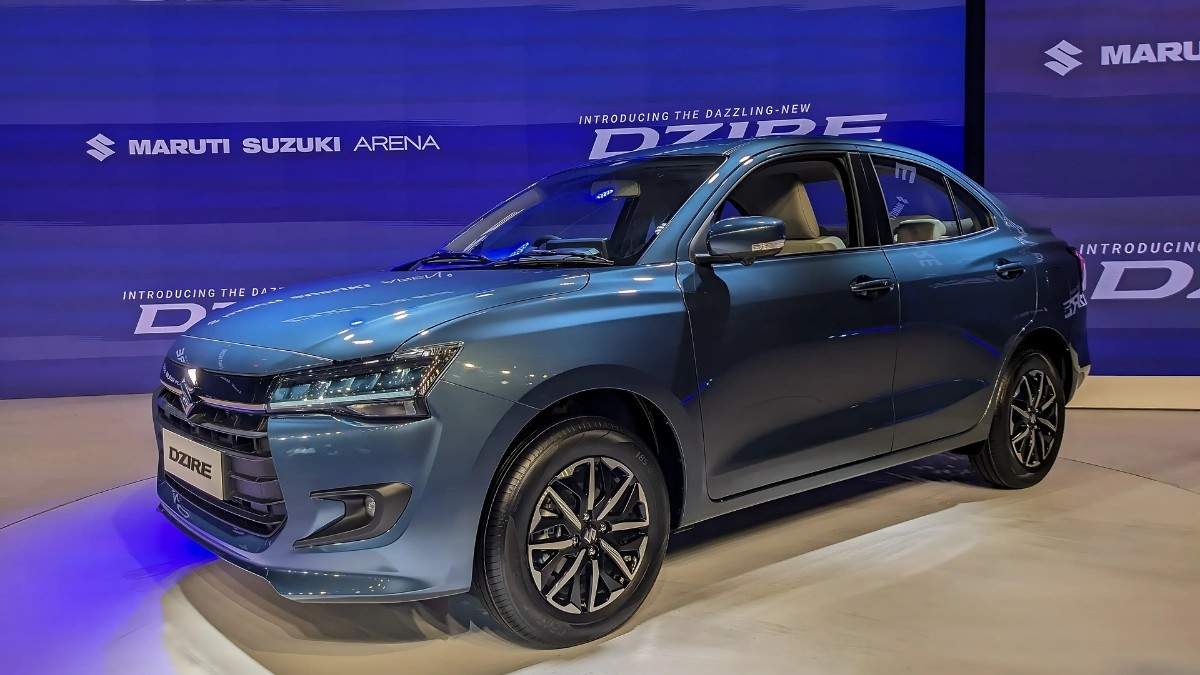
These seven vehicles—the Maruti Dzire, Tata Punch ICE, Tata Sierra ICE, Tata Curvv ICE, Mahindra XUV3XO, Mahindra XUV400 EV, and Mahindra BE.06—were subject to a re-testing process approved under AIS 197, Section 6.2.
Application Information
India RTI Seeks Re-testing: It is worth noting that the applicant had sought information regarding specific crash test anomalies—such as body-shell ruptures—and the corresponding penalties applied, factors known to influence the Bharat NCAP scores.
According to the RTI response shared online, this specific information has not yet been publicly disclosed; it is currently being treated as confidential data.
This lack of transparency has raised concerns and doubts among the public, which could potentially have a significant impact on the demand for these vehicles.