GST 2.0: It is worth recalling that during a GST Council meeting last year, when discussions arose regarding the imposition of higher taxes on mid-capacity motorcycles, Siddhartha Lal issued a warning.
He cautioned that such a move could potentially disrupt the premium bike market; however, his concerns were dismissed at the time as being unfounded.
Yet, eight months after the implementation of GST 2.0, sales trends and product strategies suggest that the industry may already be adapting to the new tax regime—a shift that has led to numerous changes within the sector.
It is also pertinent to note that this new tax system has triggered significant market transformations, resulting in gains for some stakeholders while causing losses for others. Let us delve deeper to understand the details.
Table of Contents
What Do Indian Market Statistics Reveal ?
GST 2.0 New Development: Analyzing the data from the Indian market, it appears that following the changes in GST, the disparity between sales of small-capacity motorcycles and premium bikes has been widening significantly.
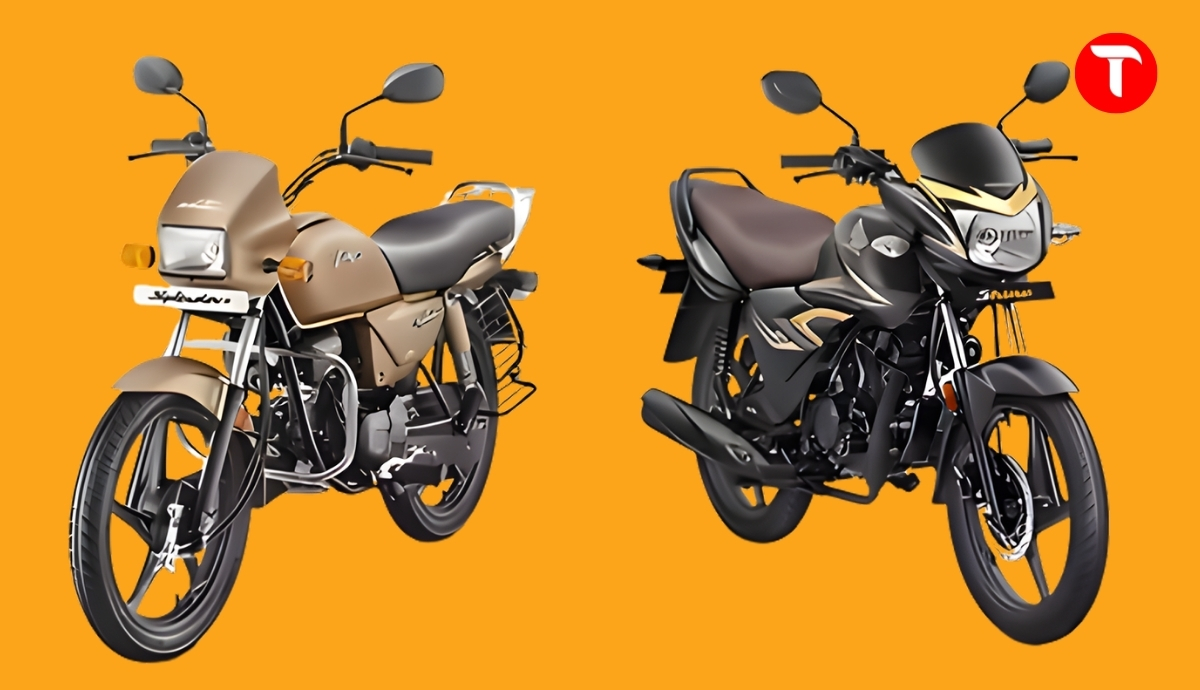
During the period from October 2025 to April 2026, a notable surge was observed in the sales of motorcycles with an engine capacity of less than 350cc.
Specifically, this segment witnessed an impressive growth of 18.3%, with sales figures reaching 7.8 million (78 lakh) units—a substantial increase compared to the 6.6 million units sold just one year prior.
What Do Indian Market Tax ?
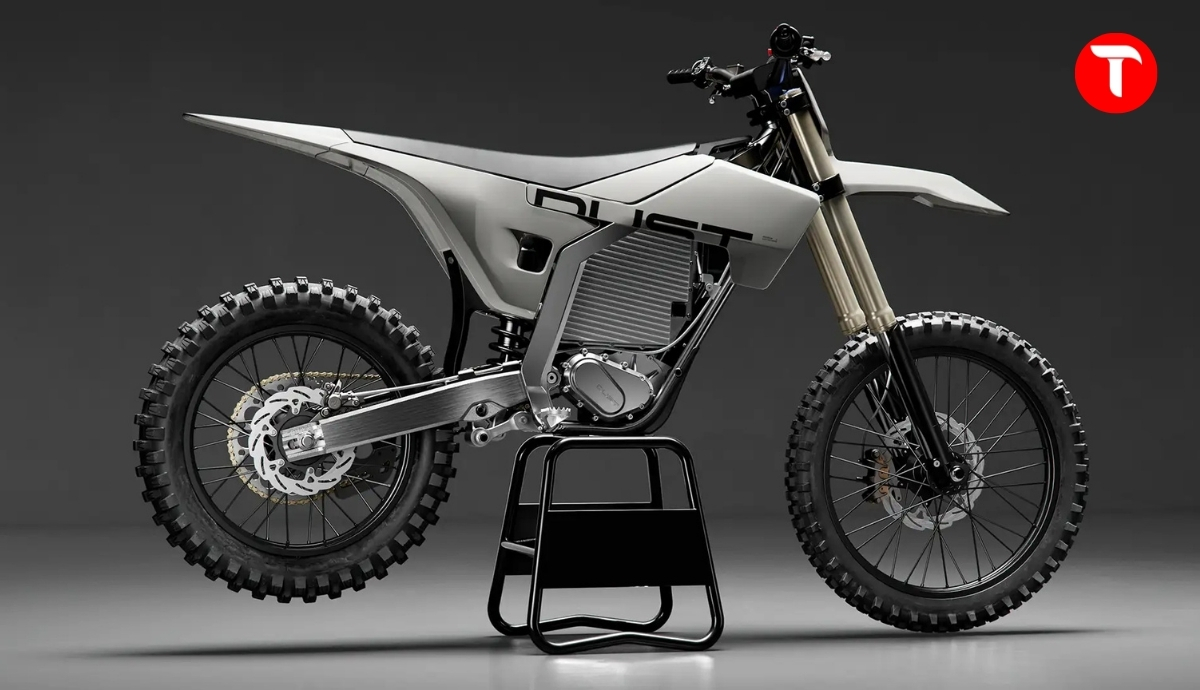
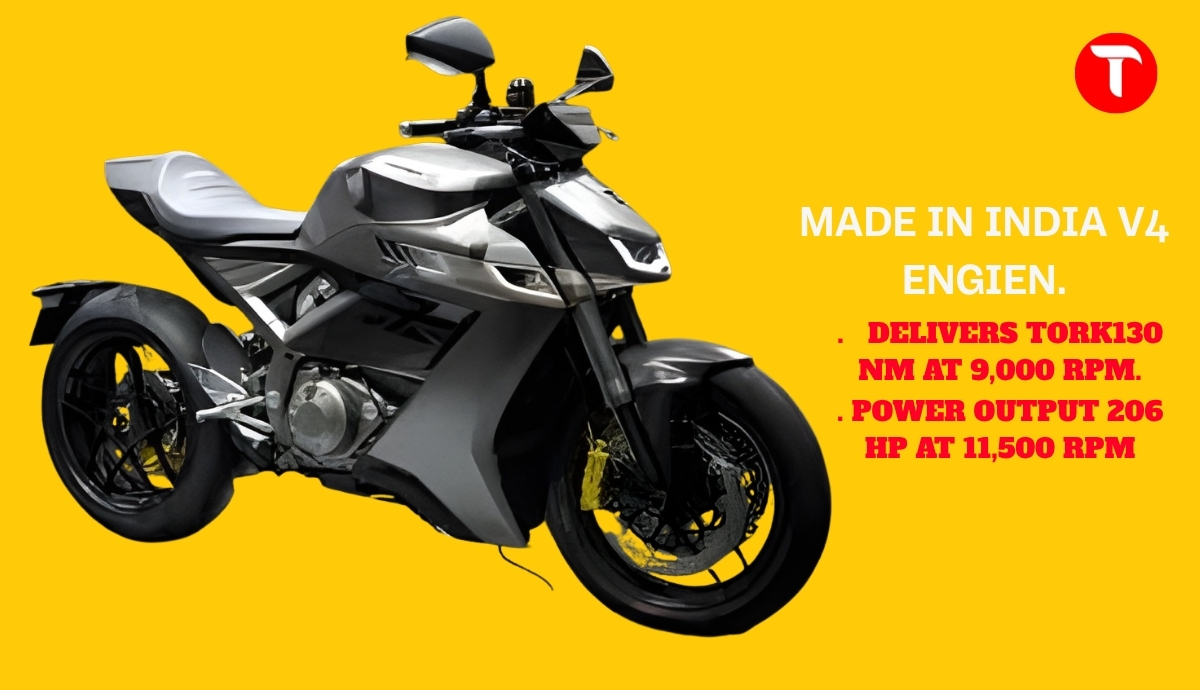
GST 2.0 New Development: Conversely, during this same period, motorcycles with an engine capacity exceeding 350cc recorded a growth of a mere 1.2%.
This translates to a modest rise from 93,978 units to 95,104 units, indicating a lack of substantial growth in this specific category.
Furthermore, following a slump in April, sales within the over-350cc segment plummeted by 15.4% compared to the previous year, dropping to just 11,963 units, even as the overall motorcycle market maintained its stability.
What Do Indian Market Future ?
GST 2.0 New Development: This suggests that the 350cc-plus segment may face further contraction in the future, and Siddhartha Lal’s earlier warning appears to be on the verge of becoming a reality.
September 22 Under GST 2.0, effective from 2025, an effort has been made to simplify the indirect tax structure by categorizing goods into two tax slabs: 5% and 18%.
Notably, a 40% abatement has been applied to products falling under specific categories; consequently, the tax rate on small-displacement motorcycles has been reduced from 28% to 18%.
The implementation of GST 2.0 will bring about numerous changes that are expected to play a pivotal role in India’s forward trajectory; consequently, it is likely to trigger a multitude of transformations and give rise to various new issues.
What Do Indian Market Expect ?
GST 2.0 New Development: However, regarding the 350cc segment, higher-displacement motorcycles have been placed in a higher tax bracket—a classification that appears somewhat incongruous.
These changes are already influencing product-related decisions, leading to subtle shifts within the Indian market. For instance, Bajaj Auto has reduced the engine displacement of the Pulsar NS400Z from 373cc to 349cc, thereby bringing the motor cycle into a lower tax bracket.
This strategy is not unique to Bajaj; several other companies are adopting similar measures with their vehicles to minimize the tax burden for both consumers and the manufacturers themselves.
It is worth noting that, in this process, the performance capabilities of these vehicles are being largely preserved; this adjustment serves primarily as a fiscal measure aimed at reducing the tax liability for the end consumer.