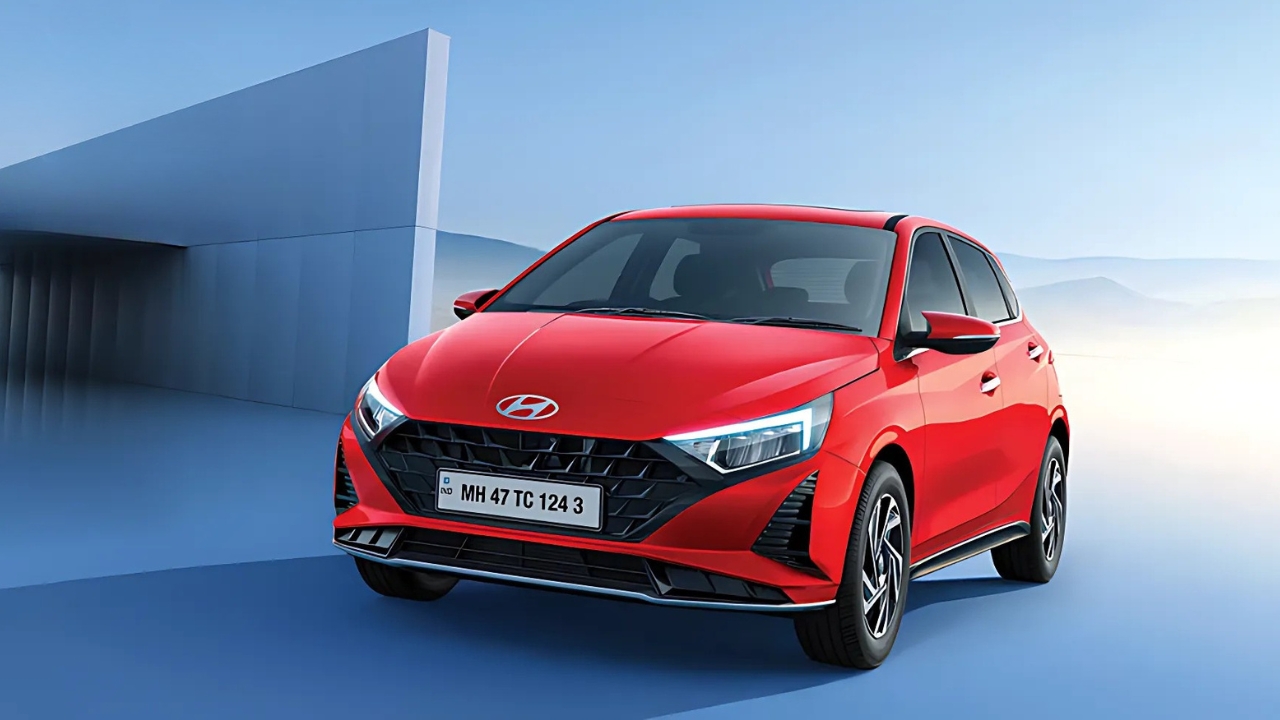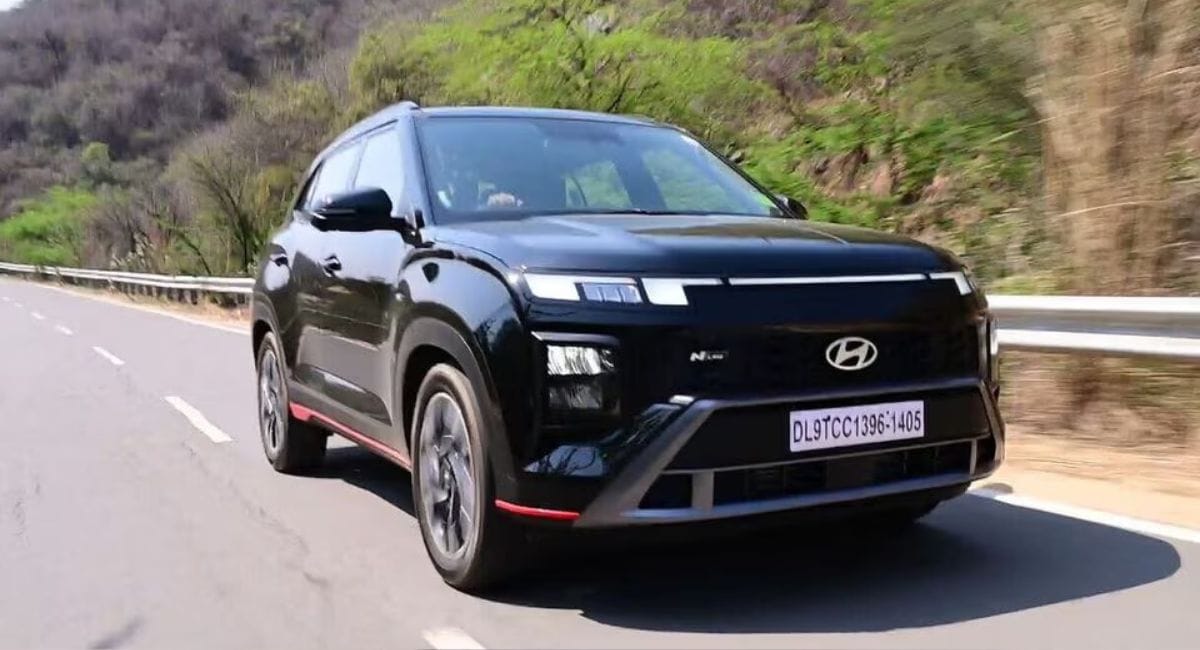
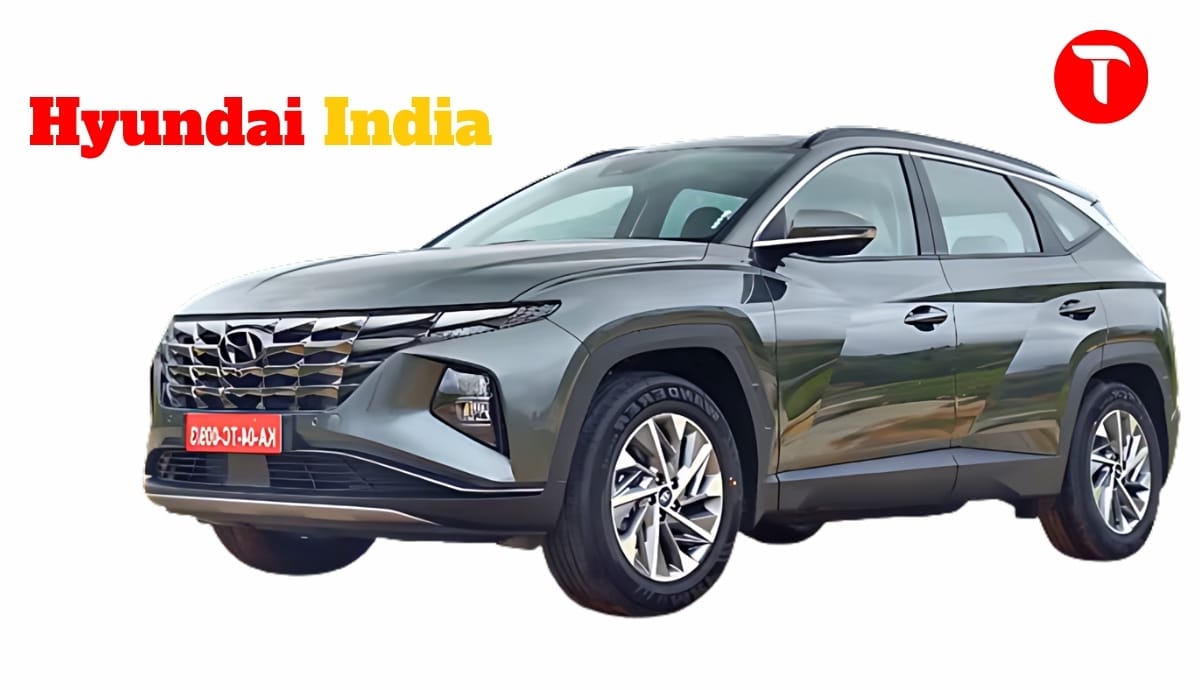
Hyundai India Major Goal: Hyundai is one of the country’s most renowned companies, having long established a dominant presence in the Indian market. However, due to certain recent challenges, its performance in the Indian market has witnessed a decline.
Consequently, the company has formulated a robust strategy aimed at making a powerful resurgence by 2030. This initiative will feature a lineup of its finest and most potent electric and hybrid vehicles—models designed to bolster its long-term sustainability in the Indian market and effectively compete against vehicles introduced by other manufacturers.
This strategic focus will also enable the company to devote attention to its other business initiatives. Hyundai is determined to preserve its brand identity in the Indian market and ensure that its standing remains undiminished amidst the influx of new models.
facelifts from other manufacturers in the modern automotive landscape; to this end, the company is poised to introduce several new models and their corresponding facelifts in the near future.
Table of Contents
Expect Performance
Hyundai India Major Goal: In terms of Hyundai’s performance, an analysis of the financial figures for the fourth quarter of the 2026 fiscal year reveals a significant 22% decline in the company’s net profit, resulting in substantial financial losses.
Notably, the net profit figure has dropped to just ₹1,256 crore, presenting the company with a major operational challenge.
For context, the net profit recorded during the corresponding quarter of the previous year stood at ₹1,614 crore.
Hyundai Lose Year Detail
Hyundai India Major Goal: the company’s EBITDA (Earnings Before Interest, Taxes, Depreciation, and Amortization) witnessed an overall decline of 22%; specifically, while the EBITDA figure for the fourth quarter of FY2026 was ₹1,966 crore, it had stood at ₹2,532 crore in the previous year.
However, a particularly surprising aspect of these results is that Hyundai’s operating income has recorded a year-on-year growth of 5.4%, rising to ₹18,916 crore.
Despite this increase in operating income, no corresponding improvement was observed in the company’s overall profitability—a situation attributed primarily to intensifying market competition, aggressive discounting strategies, and pricing pressures.
Hyundai Special Look
Hyundai India Major Goal: The magnitude of the decline is significant—so much so that the company is currently unable to fully offset the losses incurred. Consequently, the company has announced plans to launch several new models; these upcoming vehicles aim to rectify past errors while incorporating a host of excellent, innovative features.
However, it is worth noting that the 2023 fiscal year was not particularly favorable for the company. Although it managed to retain its position as the country’s second-largest automobile manufacturer with a total sales volume of 762,052 units, overall sales witnessed a decline of 2.03%.
Specifically, domestic sales saw a drop of 2.6%, bringing the total domestic volume down to just 59,866 units—a shortfall that is expected to take a considerable amount of time to recover.
Hyundai Major Market Step
Hyundai India Major Goal: the company’s upcoming models are expected to play a pivotal role in helping it maintain its customary strong foothold in the market. Given the current climate of intensifying competition, the company has struggled to focus adequately on its existing models or effectively implement other strategic initiatives.
Therefore, it is prioritizing the expedited launch of these new models, as it has not introduced a truly impactful vehicle in quite some time—a lapse that has resulted in a somewhat lackluster market performance.
The upcoming launches are designed to rectify past mistakes by incorporating features that prioritize passenger comfort and cater specifically to consumer preferences. Some of these models are expected to hit the market as early as the 2026 fiscal year, with the lineup set to include several 7-seater vehicles and electric cars.
There is also a strong possibility that these vehicles will feature hybrid powertrains, as hybrid systems are proving to be increasingly practical and beneficial for consumers in the current automotive landscape.
Consequently, the company has set an ambitious target to achieve substantial success within the next four years through the launch of 30 new models and facelifts.